
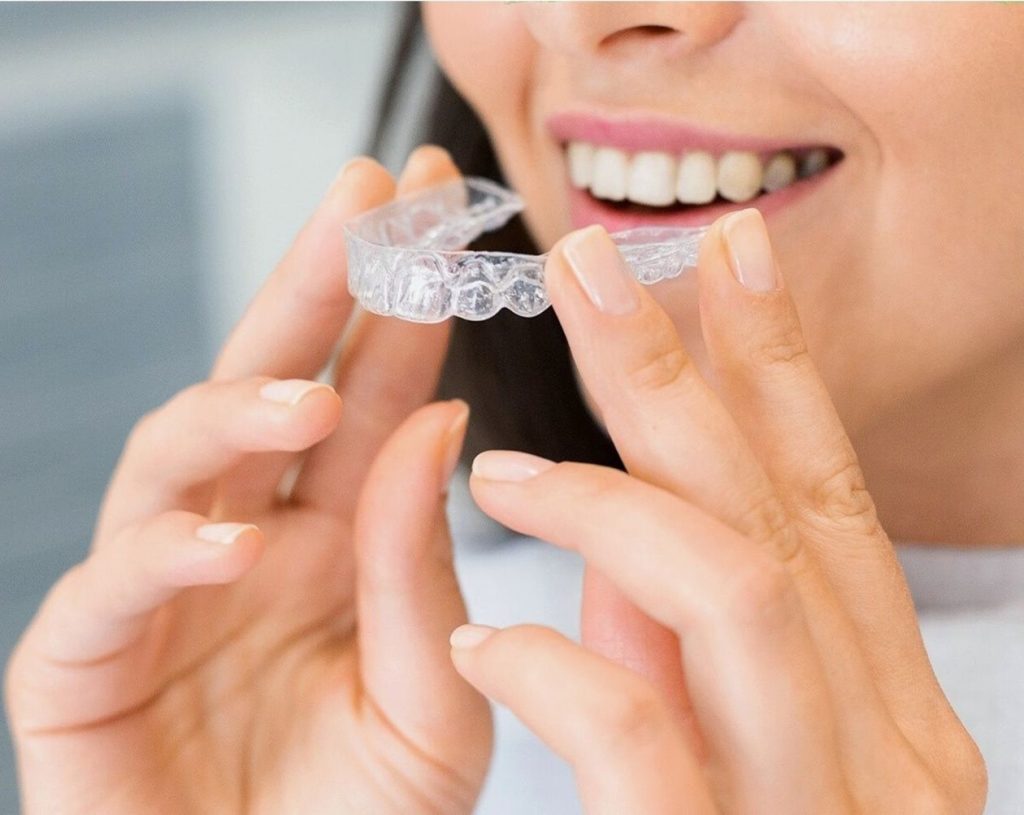
Someone at the dental office, a friend, or an online forum mentioned chewies, and now you want to know what Invisalign chewies are and whether you need them. They are a small tool with one simple job: helping your aligner sit fully against your teeth. This guide covers what chewies are, why they matter, and how to use Invisalign chewies in the right order. You will also get a quick three-point check that tells you whether your aligner is truly seated. The whole routine takes a few minutes and fits easily into your day.
What Are Invisalign Chewies?
Invisalign chewies are small, soft cylinders, about the size of a cotton roll, that you bite on to press an aligner flush against your teeth. You may also hear them called aligner seaters or tray seaters. All three names describe the same everyday tool.
The material depends on the brand. Generic multipacks are usually made of styrene copolymer plastic, while Invisalign's own branded seaters are medical-grade silicone with a patent-pending quatrefoil shape. Both types work the same way. You place one between your teeth, bite down, and the gentle pressure nudges the plastic into place.
The soft, slightly springy feel matters too. A chewie gives a little under your bite, which keeps the pressure comfortable on teeth that may already feel tender after a new tray goes in. Most patients keep one in a pocket, a bag, or the aligner case so it is close by after meals.
Why Chewies Matter: Closing Air Gaps
An aligner moves a tooth by pressing on it, so the plastic has to touch the tooth to do its work. When a little air stays trapped between the aligner and a tooth, the pressure spreads unevenly and that tooth may not shift the way your plan expects. Sometimes this shows up as a thin white line along the edge of a tooth, often called an air gap or halo.
Aligner trays are generally switched every one to two weeks, so a snug fit matters again with each new set. Every tray is shaped for the next small step in your plan, and a quick round with a chewie helps it settle into that shape.
Many patients wonder whether chewies speed things up. A chewie keeps treatment on the schedule your plan sets, and that schedule stays the same length.
How to Use Invisalign Chewies: Step-by-Step
Start with clean hands and a clean aligner. Once the tray is in your mouth, the routine below takes about five minutes.
The Bite-and-Hold Routine
- Seat the aligner with your fingers first, pressing gently along the front and back of the tray.
- Place the chewie between your back molars on one side and bite down for about 5 seconds.
- Move forward one tooth at a time, biting and holding at each spot.
- Repeat on the other side, then run the full pass again.
- Spend extra time on any tooth with an attachment, the small tooth-colored bumps some patients have.
The back molars come first because they are the hardest area to seat with fingers alone, and they offer the most bite force. Starting there lets the chewie do the heaviest work early, and the front teeth are usually quicker to follow.
The 3-Point Seating Check
Once you finish the routine, run through these three quick checks.
- Look in a mirror for a white air-gap line along the edge of each tooth. A fully seated aligner sits right against the tooth with no visible line.
- Run your tongue along the inside of the tray. A good fit feels smooth, with no ridge or lifted edge.
- Look at each attachment. It should look filled in by the aligner, with no visible bubble over it.
If one spot still will not seat after a couple of extra minutes with the chewie, that is a good moment to call the dental office. Troubleshooting alone for days or moving ahead to the next tray can leave that tooth behind its plan. The team can look at the fit and tell you what to do next.
How Often Should You Use Them?
The common guidance is about 5 minutes, twice a day, with the most attention on a brand-new tray and after eating or brushing. If your dentist gives you a different schedule, follow that one.
Wear time does the heavy lifting in Invisalign treatment. Aligners are generally worn 20 to 22 hours a day for treatment to progress as planned, and chewie sessions support those hours. Extra chewing time cannot stand in for hours with the aligner out of your mouth.
Where to Get Chewies and What They Cost
Many dental and orthodontic offices give new Invisalign patients a starting supply. Reusable multipacks are also sold at pharmacies and online, so finding chewies for Invisalign takes only a quick search. For one concrete price, Invisalign's official two-pack of seaters sells for $9.99 in the manufacturer's accessory store.
Some patients use alternatives in a pinch. Edible seating mints such as Movemints and Munchies work like a chewie you can eat afterward. A cotton roll gives a similar soft surface to bite on, and firm finger pressure can help a tray settle. All of these are helpers, and none of them replace consistent full-day wear.
Caring for Your Chewie
Rinse your chewie with cool water after each use and let it air-dry before it goes back in its case. Clean, dry storage keeps it fresh for the next session. Replace it once it loses its springiness, feels sticky, or starts to discolor.
Talk to Your Raleigh Dental Loft Team About Your Invisalign Fit
If an aligner still is not seating well after you try these steps, mention it at your next visit. A small fit question is easy to handle early, and your treatment keeps moving along its plan.
To learn how Invisalign treatment works at our Raleigh office, including the 6 to 18 months most patients take to finish, our Invisalign page walks through the process. If you are weighing the investment, our page on pricing and payment options for Invisalign lays out what to expect.
Our office on Jones Franklin Road is open Monday through Thursday, from 7:00am to 2:00pm. A morning visit is a convenient way to get a fit checked before your day fills up. To get started, Schedule an Appointment with our team.